Avian Pet Care
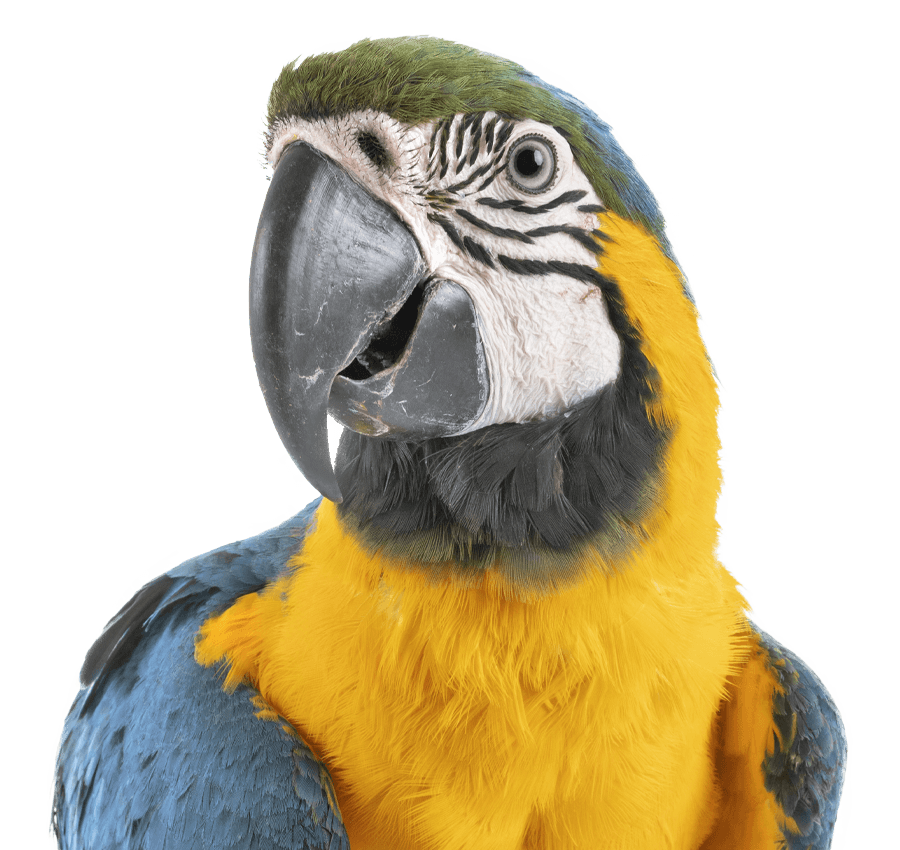
We take the time to know your bird and treat them with care.
Expert Care for Avian Pets


Grooming Services for Your Bird
We understand that owning a bird comes with unique grooming needs. Avian pets need regular maintenance to their wings, beaks, and claws to prevent discomfort and keep them in the best health.

Avian FAQs
Yes, River Rock Animal Hospital is welcoming new avian patients in Midland, MI, including parrots, parakeets, cockatiels, and more. Call us at (989) 750-7222 to book your pet bird’s first appointment.
Most healthy pet birds should have a veterinary wellness exam at our animal hospital at least once a year. Routine checkups are especially important for identifying potential problems before noticeable symptoms develop.
An overgrown or unhealthy beak in pet birds can look like excessive length, uneven shape, cracking, discoloration, or difficulty picking up and eating food. While some beak growth and flaking are normal, noticeable changes in your bird's beak can indicate nutritional deficiencies, injuries, or underlying health conditions. If your bird's beak appears unusually long, crooked, or damaged, have them evaluated at our veterinary hospital.
Your bird may be sick if they are showing any of the following symptoms: fluffed-up feathers, decreased appetite, unusual droppings, changes in vocalization, lethargy, or sitting at the bottom of the cage. Breathing difficulties, tail bobbing, and a sudden loss of balance can indicate serious conditions as well. If your bird is showing any unusual symptoms, contact River Rock Animal Hospital for urgent care right away.